Hair Color for Neutral Skin Tones: Balanced Bronde, Chocolate & Nude Tones
The short answer: If your skin reads neither distinctly warm nor distinctly cool in indirect daylight, start with hair colors that mix both kinds of reflection: dimensional bronde, balanced chocolate brown, nude beige, or soft sand blonde. Keep the first comparison close to your natural hair depth, then decide whether you want a little more warmth, a little more coolness, or a stronger contrast. A neutral undertone gives you room to explore; it does not prescribe an equal amount of gold and ash in every dye formula.
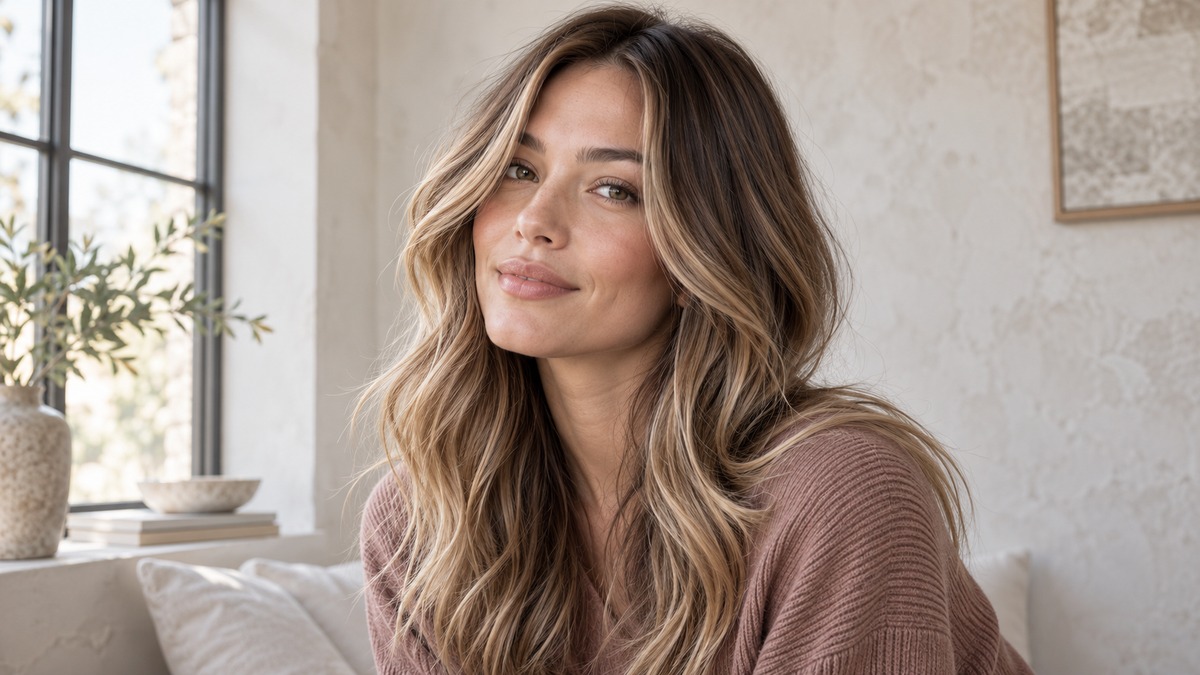
The best hair color for neutral undertones depends on more than the skin label. A light beige blonde and a deep chocolate brunette may both have balanced tone, but they frame the face differently and demand different work from a dark starting base. Compare depth (how light or dark the hair is), tone (its warm or cool reflection), contrast with your brows and skin, and how you want the roots to grow out. The hair color analysis guide walks through those variables in more detail.
Scroll sideways to compare each shade's starting point.
| Shade direction | What to look for in daylight | A useful starting point |
|---|---|---|
| Balanced bronde | Brown depth with beige or softly golden light pieces | You want visible dimension without an all-over blonde change. |
| Milk chocolate or hazelnut | Medium brown with a restrained warm reflection | You prefer a brunette frame that does not read distinctly copper or ash. |
| Nude beige or soft sand | Blonde with gentle beige, not a strong yellow or silver cast | You want brightness but prefer a quieter tone than icy or golden blonde. |
| Soft chestnut | Brown with a subtle warm-red note | You enjoy a touch of warmth and want to test it before going vividly copper. |
These are visual directions, not standardized salon formulas. Wella’s professional shade chart separates color depth from tone; the same descriptive name can be interpreted differently across brands and starting hair. Bring reference photos rather than relying on a shade name alone.
The Neutral Undertone Hallmark (The Best of Both Worlds)
A neutral undertone is a relatively balanced color impression beneath the skin’s surface. It is separate from skin depth: fair, medium, tan, and deep skin can each appear balanced, warm-leaning, or cool-leaning. It is also separate from surface redness, tanning, makeup, and the warm light in a room. A person can have neutral-looking skin and still prefer an unmistakably copper or platinum hair color.
The familiar clues are worth trying, but none is a verdict. If wrist veins look both blue and green, that may be consistent with a mixed impression; vein depth, skin depth, and lighting also affect what you see. If both gold and silver jewelry seem comfortable beside your face, you may have more than one styling direction to explore. Maybelline’s undertone guide presents the vein and white-shirt checks as comparison tools, not a way to calculate a hair-color formula.
Try the comparisons in indirect daylight near a window. Hold a plain white or soft ivory cloth near your jaw, then compare similarly sized gold and silver pieces one at a time. Keep your position and light steady. A phone’s automatic white balance can push the scene toward yellow or blue; look with your eyes before using a photograph. If the clues remain mixed, you do not need to force a category. Put two hair swatches or reference photos at the same depth beside your face and compare a warmer beige with a cooler taupe.
Tanning can change the apparent surface color and your preferred contrast, but it does not make an undertone test a permanent diagnosis. Check a shade against your usual complexion and against the appearance you have most of the year. If your cheeks are flushed on the day of the comparison, look at the jaw and neck too. Do not assume a rosy surface rules out neutral skin.
The apparent flexibility of a neutral complexion is useful, but preference still matters. You might prefer warm copper because the contrast feels lively, or a cool ash brown because it fits your style. Seasonal color categories can help describe that preference; they are styling guides rather than biological rules. The practical question is what effect you want and what your hair can realistically do.
Flattering Neutral Hair Color Palettes
Begin with one family near your current depth. Then compare its warm and cool edges in the same light. For neutral skin tone hair color ideas, the three families below offer different amounts of brightness while keeping a balanced center. Their names are useful for discussing a look, but the colorist needs to see your natural roots, any dye on the lengths, and the exact parts of the reference you want.
Balanced Bronde: The Ultimate Neutral Formula
Bronde sits between brunette and blonde. A neutral-looking version can retain a coffee or soft brown base while placing beige, muted caramel, or sandy ribbons through the lengths. Those lighter pieces create dimension; the deeper hair keeps the overall color from reading as a solid blonde. You do not need literal equal quantities of gold and ash. What matters is the visible balance in your chosen light.
If you already have medium brown hair, ask whether selective highlights could supply the lightness you want while leaving much of your natural base visible. If your hair is very dark or has permanent dye, that same reference may require more lightening and more than one appointment. Wella’s color education explains that lightening exposes underlying warm pigment; the colorist has to account for it when choosing the finished tone. A beige photo cannot tell you the steps needed for your particular hair.
For a subtle result, compare bronde hair for neutral skin with a version that starts its light pieces lower down and one that brightens around the face. The first can preserve a more natural-looking root; the second changes the frame around your face more visibly. Ask to see the root, midlengths, and ends in the reference. If the model’s hair looks beige only because the photo is desaturated, find another image in ordinary daylight.
Milk Chocolate & Hazelnut: Effortless Everyday Brunette
Milk chocolate describes a medium, softly warm brown rather than a precise dye shade. Hazelnut often suggests a little more golden or toasted reflection. On a neutral-looking complexion, these are useful comparisons when stark ash brown seems too matte and bright copper feels too vivid for your taste. A balanced chocolate can retain brown richness while a few lighter pieces catch daylight.
Match the brunette’s depth to the effect you want. A brown near your natural base may make regrowth less conspicuous; a significantly darker all-over color can create a sharper outline and a more visible difference at lighter roots. If you want softness rather than a solid block of color, ask about subtle variation through the lengths. Your colorist can explain whether your existing shade needs a tone refresh, a darker deposit, or lightening before any lighter hazelnut pieces can show.
Look for three reference details: Does the brown read brown in shade as well as sun? Are the lighter strands beige, golden, or copper? Is the root similar to the ends or deliberately deeper? Those observations are more actionable than asking for “neutral brown.”
Creamy Champagne & Sand Blonde: Luminous without Brass
Nude beige blonde is a restrained mix of blonde warmth and coolness. A creamy champagne version brings a little more soft gold; sand blonde often looks more muted. L’Oréal Paris’s beige-blonde guide describes beige as a neutral or slightly cool blonde with subtle champagne warmth. The naming is descriptive, not a promise that every beige dye suits every face.
Compare a light beige reference with a darker sand blonde at the same window. The lighter one can create a brighter, higher-contrast frame; the darker one may connect more gently to naturally brown roots. If you start with dark hair, reaching a pale creamy shade can expose orange and yellow stages during lightening. A toner changes reflection on hair that has reached a suitable depth; it cannot make dark hair pale on its own. Ask the colorist how much lift, what condition check, and what maintenance would be involved.
A deeper root or selectively placed blonde can make the transition less abrupt as hair grows. That does not make the blonde maintenance-free: the lightened pieces can shift in tone, and your preferred beige may need refreshing. Wella’s blonde maintenance guidance discusses how root placement and shade affect upkeep. Set a schedule with your colorist based on the actual service, not a universal number of weeks.
Soft chestnut adds a warm-red reflection to brown. Compare it with milk chocolate at a similar depth if you want more warmth.
Traps to Avoid: The Perils of Extreme Temperatures
An icy blue-gray ash and a saturated orange-copper can look dramatically different beside neutral-looking skin. If you want a quiet, blended effect, either extreme may draw more attention to the hair than a balanced beige or chocolate. That is a styling observation, not a claim that these colors make a face unhealthy or that neutral skin cannot wear them. If strong contrast is your goal, try it deliberately: compare the dramatic shade against a softer neighbor at the same depth and in the same daylight.
Do not confuse cool with dark or warm with light. A dark chocolate can still have warm reflection, and a pale beige blonde can be relatively neutral. When a color looks “too much,” identify which variable changed. Was it the depth, the reflection, the amount of light hair near your face, or the contrast with your brows? Change one at a time in your references. The warm-undertone guide and cool-undertone guide show the neighboring palettes if you want a clearer directional comparison.
Another trap is treating a hair-color name as a formula. “Nude,” “milk chocolate,” and “bronde” can look different under salon lights, in filtered photos, and across brands. Tell the colorist what you see, not only what the caption calls it.
Finally, do not select a shade only from your face. Your natural level, previous permanent color, highlights, and hair condition shape what can be achieved and how it will fade. A colorist may suggest a nearer-depth first step, a strand test, or a staged lightening plan. The goal is an informed choice, not a guarantee that a photo can be reproduced in one visit.
Turn the Palette into a Salon Plan
Save two or three references taken in ordinary light: one for your preferred overall depth, one for the tone, and one showing a root transition you could live with. Add a photo of your current hair in daylight, including roots and ends. Tell the colorist about permanent color, box dye, henna, glosses, and prior lightening. Those details can matter more to the process than your undertone label.
Ask four practical questions: What depth is realistic from my starting hair? Where would lightness go? How will the tone fade? How visible will regrowth be? If the proposed route involves lightening, discuss whether the hair condition supports it and whether the target may take several visits. Ask what at-home care the specific product and service require. No reference image can settle those questions in advance.
If you are still weighing shade families, visit the hair color quiz to organize your preferences into three shade directions. Bring your own comparisons to the consultation. You can also use the hair color ideas guide to narrow your shortlist before choosing a bronde, brunette, or blonde reference.
Frequently Asked Questions
Can neutral skin tones wear warm or cool hair colors?
Yes. Neutral is a starting description, not a restriction. A distinctly warm copper or cool ash can make an intentional contrast, while bronde or beige can feel more blended. Compare warm and cool references at the same depth in daylight, then choose the effect you prefer. Your hair history and upkeep tolerance still affect the plan.
Are mixed blue-green veins proof of neutral undertones?
No. Veins can look different with lighting, skin depth, and their distance beneath the skin. Mixed blue-green is one clue, especially if other comparisons also feel mixed. Jewelry, neutral fabric, and hair swatches can offer more useful styling comparisons. If you remain uncertain, you can choose a shade you like without assigning yourself a fixed category.
Is bronde lower maintenance than beige blonde?
It can be, particularly when a bronde keeps more of your natural root and uses selective light pieces. But placement, initial lightening, tone, and your starting color determine the actual upkeep. An all-over beige blonde from a dark base is often a larger change than a few beige ribbons; ask your colorist to compare the two services for your hair.
What should I ask for if “nude beige” sounds too vague?
Show a daylight photo and point to its root depth, the beige reflection, and the amount of lightness around the face. Say whether you want more creamy champagne or muted sand, and show a shade you do not want. A colorist can translate those visible preferences into a plan for your starting hair; the name alone is not enough.