Hair Color for Cool Undertones: Flattering Ash, Mushroom & Cool Espresso Shades
The short answer: If your skin appears pink, rosy, or blue-leaning in neutral daylight, start by comparing cool or neutral hair colors at a depth close to your natural base. Ash brunette, mushroom brown, cool mocha, pearl or smoky blonde, and soft espresso are useful references. A deliberately copper, honey, or yellow-gold shade can create stronger warm-cool contrast; whether you like that contrast is a styling choice. Hair color cannot remove facial redness, and a skin undertone does not dictate one correct shade.
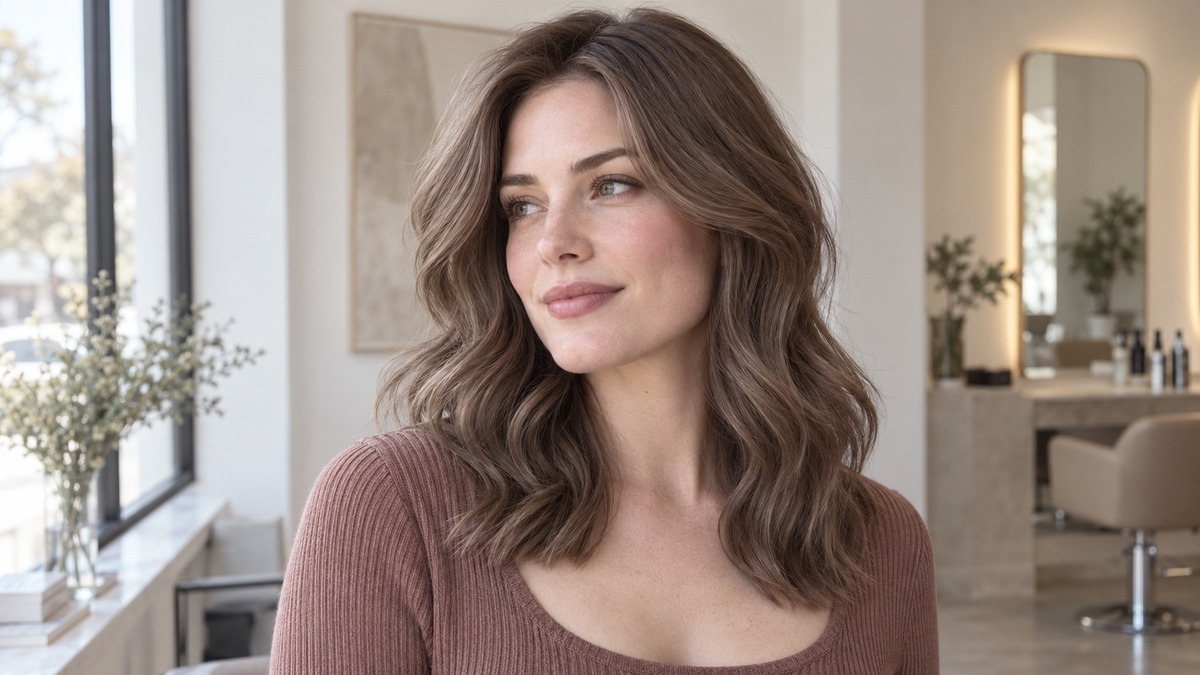
The key distinction is tone versus depth. Tone describes a shade’s cool, neutral, or warm reflection. Depth describes how light or dark the hair is. A medium ash brown and a deep espresso can both read cool, yet frame the face very differently. Compare both variables separately, then ask what your starting hair can realistically become. If you are still weighing warm and cool directions, see the hair color analysis guide before choosing a reference.
| Starting hair depth | Cool or neutral direction to compare | Practical decision |
|---|---|---|
| Dark brown to near-black | Soft espresso, neutral black, or dark cocoa | Do you want a gentle brown edge or the stronger contrast of black? |
| Medium to light brown | Ash mocha, mushroom brown, or neutral-cool cocoa | How visible should the taupe or ash reflection be? |
| Dark to medium blonde | Smoky beige or muted ash blonde | Would you prefer a deeper root and selective lightness? |
| Light blonde | Pearl blonde or clean, cool platinum | Is the required lightening and toning worth the upkeep to you? |
These are conversation starters, not dye formulas. Color systems separate level from tone, and Wella’s color education workbook shows why underlying pigment matters to the finished result. Previously colored hair, natural roots, porosity, and condition can change the route to a reference shade.
The Cool Undertone Diagnostic: Veins, Silver, and Daylight
A cool undertone is a steady pink, rosy, or blue-leaning impression beneath the skin’s changing surface appearance. It is not the same as skin depth: fair, medium, and deep complexions can each lean cool. It is also not the same as a flush on the cheeks. Check in indirect daylight, away from strongly colored walls, and compare clues rather than relying on a single test.
Look at more than wrist veins. Blue or purple-looking veins are often cited as a cool clue, but vein visibility changes with skin depth, lighting, and the way light passes through skin. Green-looking veins do not prove that your entire coloring is warm. Use this only as a prompt to look more carefully, never as a verdict.
Compare silver and gold near your face. Hold similarly sized pieces of each metal beside your jaw in the same light. Does silver seem quieter against your skin while yellow gold stands out more? That may suggest a cool styling preference. A mixed or inconclusive result is common. Jewelry is a visual comparison, not a biological test; personal taste still counts.
Use daylight and a neutral reference. Stand by a window without direct sun. Compare a cool gray or soft white near your face with a warm ivory or camel fabric, keeping the placement and light constant. Look for a color that feels integrated with your overall coloring, not one that supposedly fixes your skin. Phone images can shift white balance; compare in person when possible.
Persistent facial flushing, irritation, or visible blood vessels deserve a separate conversation with a dermatologist. They do not establish an undertone. The American Academy of Dermatology’s rosacea overview describes several possible appearances of rosacea across skin tones; a hair-color guide cannot diagnose it. Compare hair color when your skin is at its usual appearance.
Eye color is another weak shortcut. Ask how much contrast you want between your hair, skin, and brows. A deep cool brunette can make a sharper outline; a softer mushroom brown or smoky beige may feel more blended. Neither effect is universally more flattering.
Top Hair Colors for Cool Complexions
Start with one shade family and one realistic depth. The salon names below are useful visual language, but they are not standardized formulas. Bring two or three pictures photographed in similar light and point to the root, midlengths, and ends you actually want. A reference showing subtle ash in window light is different from an edited image whose gray cast hides the hair’s true depth.
Cool Brunettes: Mushroom Brown, Ash Mocha, and Dark Cocoa
Mushroom brown is a brown with muted taupe or ash reflections. It can be soft and dimensional rather than flat gray. If your natural hair is medium brown, ask to compare a version close to your current depth with a lighter version that adds selectively placed pieces. The lighter option may expose more warmth and need more toning. If you dislike a conspicuous grow-out line, a natural-looking root and a few cool ribbons can be easier to live with than an all-over lighter ash color.
Ash mocha keeps more brown richness than a very smoky brunette. A balanced cool mocha can be a good reference if pure ash looks too matte beside your skin. Ask your colorist to show how the shade reads in neutral daylight.
Dark cocoa sits between neutral brown and cool espresso. The goal is brown depth without an obvious copper or gold reflection. This can be a quieter change for a naturally dark brunette than moving several levels lighter. A gloss may adjust visible tone on an existing color, but it cannot perform the same job as lightening. Tell your colorist what is already on your hair before deciding on a service.
Cool Blondes: Pearl, Smoky Beige, and Clean Platinum
Pearl blonde can show a soft violet or cool beige cast rather than stark silver. It suits someone who wants light hair with a restrained warm reflection, but the result depends on the pale underlying color reached during lightening. The more lifting required from your base, the more process and maintenance you should expect. A pearl reference on naturally light hair is not a one-session promise for previously dyed dark hair.
Smoky beige blonde sits closer to neutral. It can be a helpful compromise when a strongly ashy blonde feels dull but clear gold looks too warm for your preference. Ask for a sample that still looks like blonde in daylight, with root depth and highlight placement chosen for your grow-out tolerance. A deeper root can also keep contrast with brows without demanding an all-over pale result.
Clean platinum creates high contrast and a very light, cool finish. It usually asks the most of the hair and the maintenance calendar, especially from a dark base. Discuss hair condition, prior color, the number of possible appointments, and a realistic stopping point before committing. A colorist may recommend a softer pearl or smoky blonde if your current hair cannot safely reach your reference. Read the pale-skin color guide if you want to compare light blonde against deeper alternatives on a fair complexion.
Dark and Moody: Deep Espresso and Soft Neutral Black
Deep espresso is a dark brown that can read cool without the solid edge of true black. It often makes a useful comparison for people who want depth while keeping some brown dimension in daylight. If you have a lighter natural root, ask how visible regrowth will be and whether a slightly softer brown would suit your maintenance preference.
Soft neutral black is a stronger visual frame. Compare it beside espresso at the same time rather than assuming darker automatically means cooler. Blue-black reflections can be dramatic but may feel harsher than a neutral black. If you are considering a large change from blonde to dark, discuss the steps to return lighter later: removing deep artificial color can be difficult and unpredictable. A temporary-looking reference photo does not make the service reversible.
A cool-leaning red, such as berry-brown, may appeal more than ash. Let your natural base, color history, and upkeep tolerance narrow the plan.
Why Warm Colors Can Create More Contrast with Cool Skin
Copper, honey, and golden tones are not mistakes on cool skin. They are visibly warm colors placed beside a cooler-leaning complexion, so the difference can feel more pronounced than a neutral or ash tone. If you want a blended effect, compare those reflections with a cooler reference in the same light. If you enjoy vivid contrast, a warm shade may be exactly right.
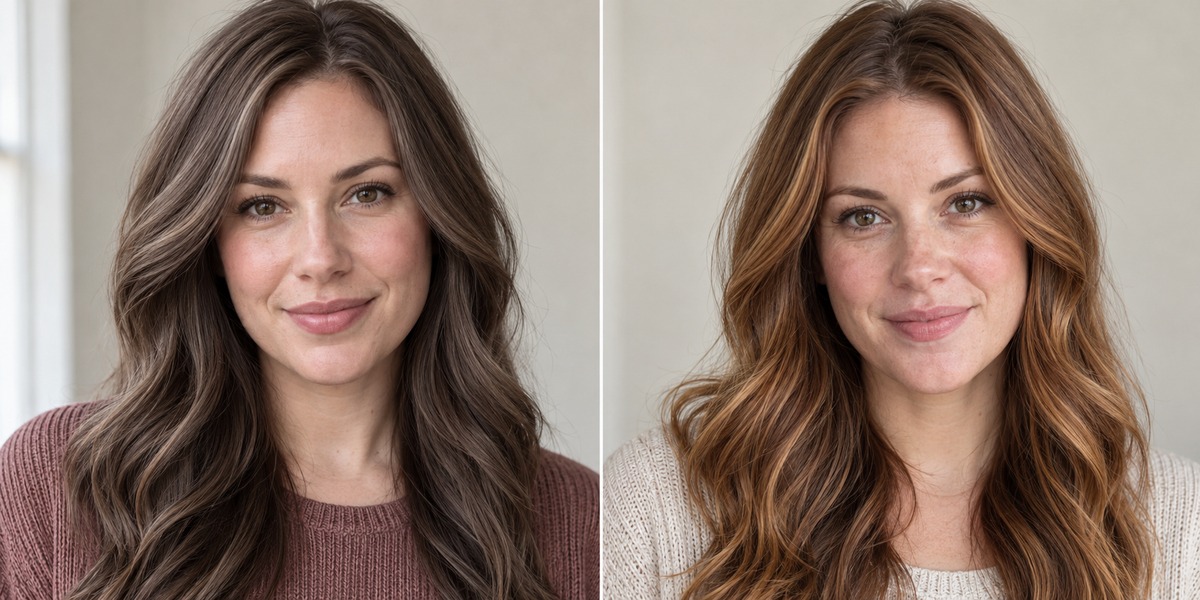
A hair shade does not neutralize redness in the skin. It changes the colors seen beside the face. Claims that copper necessarily makes capillaries more visible, or that ash conceals a skin condition, are too absolute for a styling decision. The comparison above is useful for seeing the hair tones; it is not a controlled skin test or a prediction of your own result.
The color wheel helps with a different question: unwanted warmth in hair. Opposite colors can counter visible tones in a color mixture. Wella’s professional color-wheel guide explains the relationship. Violet is used against yellow; blue is used against orange. This does not mean one blue shampoo can correct every brunette, or that a violet product can turn orange hair ash. The underlying warmth and hair depth determine which approach makes sense.
The Upkeep Reality: Keeping Brassiness in Check
Cool hair color can look warmer over time as applied tone fades and underlying warm pigment becomes visible. Brassiness means unwanted yellow, orange, or reddish reflection relative to the shade you intended; it does not mean warm hair is inherently bad. Lightening can expose warm underlying pigment, as Wella’s education workbook shows. Sun exposure, washing routine, and your starting hair can affect the appearance between appointments.
A toner adjusts tone on hair that is already at a suitable depth. A salon gloss or glaze may refresh a muted cool reflection or add shine, depending on the product and your hair. It does not erase every orange band, repair damage, or lighten a dark dye job. Discuss whether the goal is a subtle refresh, a stronger correction, or a new lightening service. Ask the colorist to identify the warmth they see before agreeing on a product or schedule.
Pigmented shampoo is a maintenance tool, not a universal fix. Redken’s guidance on purple shampoo discusses yellow tones in blonde hair; Wella’s guide to yellow hair also distinguishes violet for yellow from blue for orange. A brunette showing orange may need a blue-leaning product, while a pale blonde showing yellow may use violet. Follow the exact manufacturer’s directions for your product, including timing and frequency. Overuse can leave a dull or tinted appearance, especially on porous light sections.
A six-week toner appointment can be a discussion point, not a fixed rule. Ask how the proposed shade is likely to fade on your hair and when the colorist would reassess it. A low-contrast mushroom brown close to your natural base may need a different routine from bright pearl blonde. Write down the recommended home product, how often to use it, the expected grow-out, and what would signal that a salon adjustment is needed.
| If you notice… | First question to ask | Why it matters |
|---|---|---|
| Yellow in a light blonde | Is a violet-toned maintenance product appropriate for this level? | Yellow and orange call for different countertones. |
| Orange in a lightened brunette | Is the issue tone alone, or an uneven/lightened base? | A blue shampoo may soften reflection but cannot correct every underlying issue. |
| A flat gray cast | Am I over-depositing cool pigment? | More ash is not always closer to the intended natural-looking shade. |
| A strong regrowth line | Could a root shadow or more selective lightening suit my next visit? | Placement influences upkeep as much as the tone name. |
Bring a Better Cool-Color Brief to the Salon
Bring a daylight photo of your current roots and lengths, plus references for a preferred shade and a shade you do not want. Point to the particular details: “I like the taupe reflection but want brown depth,” or “I want pearl blonde without a silver finish.” Tell the colorist about permanent dye, box color, highlights, henna, or previous lightening. A photograph cannot reveal that history.
Ask for the plan in plain language: What depth can we reach? Will it require lightening or multiple visits? How will it fade and grow out? Which home product suits the result? If the answer differs from your reference, revise the target before the service starts.
If you want a structured starting point, visit the hair color quiz and compare the shade directions with your own preferences. The page currently explains the planned questionnaire; it does not deliver a personalized result yet. You can also compare warm undertone hair colors to decide whether you prefer harmony or deliberate warm-cool contrast.
Frequently Asked Questions
Can I have brown eyes and cool undertones?
Yes. Eye color alone cannot establish skin undertone. Compare skin and hair references in neutral daylight, then decide how much contrast you like with your eyes and brows. Someone with brown eyes may prefer soft mushroom brown, deep espresso, warm copper, or another shade entirely.
What is mushroom brown hair?
Mushroom brown is a muted brunette direction with taupe, ash, or cool-beige reflections. Its depth can range from light brown to darker brunette, so the name alone is not a formula. Bring a picture that shows the root and ends, and describe whether you want subtle dimension or an even cool brown.
How do I stop my cool brunette from turning orange?
First identify where the orange appears and whether the hair was lightened, dyed, or both. Ask your colorist whether a tone refresh, a blue-leaning maintenance product, or a correction to the underlying color is appropriate. Use pigmented shampoo only as directed for the actual product and your hair. If orange appears in bands or differs sharply between roots and ends, a salon assessment is more useful than repeatedly adding shampoo.