Hair Color for Warm Undertones: Flattering Golden, Caramel & Honey Palettes
The short answer: If your skin looks golden, peachy, or yellow-leaning in neutral daylight, honey blonde, toasted caramel, warm chestnut, cinnamon, and soft copper are useful hair colors to compare. Start with a shade near your natural hair depth, then decide how much gold or red you want to see. Very icy platinum or gray ash may feel stark beside a warm complexion, but that is a styling preference, not a color you are forbidden to wear. Compare samples beside your own face in the same light before committing.
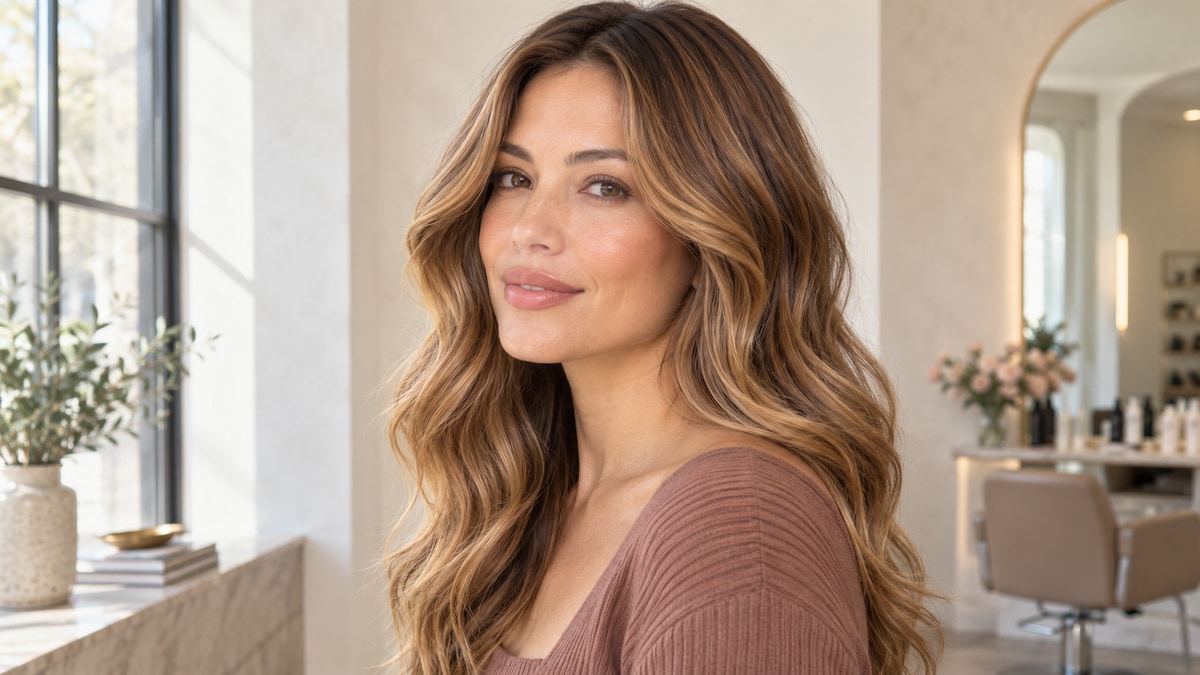
Three starting rules: Check your coloring in indirect daylight; compare shades at a similar depth so warmth is the main difference; and bring your natural base and color history into the decision. The word warm describes a yellow, gold, peach, or red direction in a color. It does not tell you how light your skin or hair must be. A warm undertone can appear at many skin depths, and olive skin may also look warm, cool, or balanced. If you are unsure, the hair color analysis guide offers a fuller comparison process.
| Approximate hair level | Warm shade direction | What to compare |
|---|---|---|
| 4–5: medium to light brown | Rich chestnut, cinnamon brown, or caramel mocha | Brown depth with a subtle gold or copper reflection versus a visibly lighter caramel ribbon. |
| 6–7: dark to medium blonde | Toasted caramel, butterscotch, or golden wheat | A deeper root and selective brightness versus a more even warm blonde. |
| 8–9: light to very light blonde | Honey blonde or soft golden blonde | Clear gold versus a quieter beige-gold finish, and how much lightening your starting hair needs. |
These are starting levels, not a formula. Professional level systems describe lightness, while tone describes the gold, copper, or ash reflection. Brands can name shades differently. Wella’s color education charts how the warm underlying pigment exposed by lightening changes with level. Your current dye, natural roots, and hair condition affect which reference is achievable and how it will fade.
How to Confirm You Have Warm Undertones (The 3 Tests)
Skin undertone is the relatively persistent color impression beneath changing surface conditions. Skin depth is how light or deep the skin appears. A temporary flush, tan, room lighting, and a phone camera’s automatic color balance can all change what you think you see. Make the following three checks by a window in indirect daylight, without a colored wall reflecting onto your face. Treat them as clues to compare, not a diagnosis or a scorecard.
1. Look at the veins on your inner wrist. Veins that appear greenish or olive may suggest a warm lean; bluish or purple-looking veins may suggest a cool lean. Skin depth, vein depth, and lighting can change their appearance, so a mixed reading is common. Do not use this observation alone to choose hair dye. Maybelline’s undertone guide also presents the vein check as one of several comparisons.
2. Compare gold and silver near your face. Hold similarly sized, similarly shiny pieces of jewelry beside your jaw, one at a time. Do you prefer how gold relates to your skin, or does silver create the effect you want? Preference matters here: you may love silver contrast even if your skin reads warm. A stronger clue comes from repeating the comparison with warm and cool hair swatches of the same depth, because jewelry and hair frame the face differently.
3. Use a white shirt or paper as a neutral backdrop. With the same daylight on both sides of your face, hold plain white near your jaw and look for a peach, yellow-gold, or more pink-blue impression in the skin. The white surface can make subtle warmth easier to notice, but a bright white may also wash out any complexion. Compare it with a cream fabric and check your jaw and neck as well as your cheeks. A peach flush by itself is not proof of a warm undertone.
If these checks disagree, you have learned something useful: the label may be less decisive than the actual shade comparison. Set a honey or caramel reference beside a cooler beige or ash reference at similar lightness, and notice which frame you prefer. The olive-skin guide explains why greenish-looking skin should not automatically be sorted into a single warm category. Seasonal color analysis can be a styling language, but a warm undertone does not by itself assign you to True Autumn or any other season.
The Most Flattering Hair Colors for Warm Skin
Warm skin tone hair colors range from pale honey to deep reddish brown. The best starting point depends on your natural base, desired contrast, and how often you want to maintain the color. The three directions below let you choose the amount of visible warmth, not just a flattering-sounding name. L’Oréal Paris’s warm-skin shade overview includes golden and reddish options, while its caramel brown guide describes the range from light honey brown to darker toffee and chestnut.
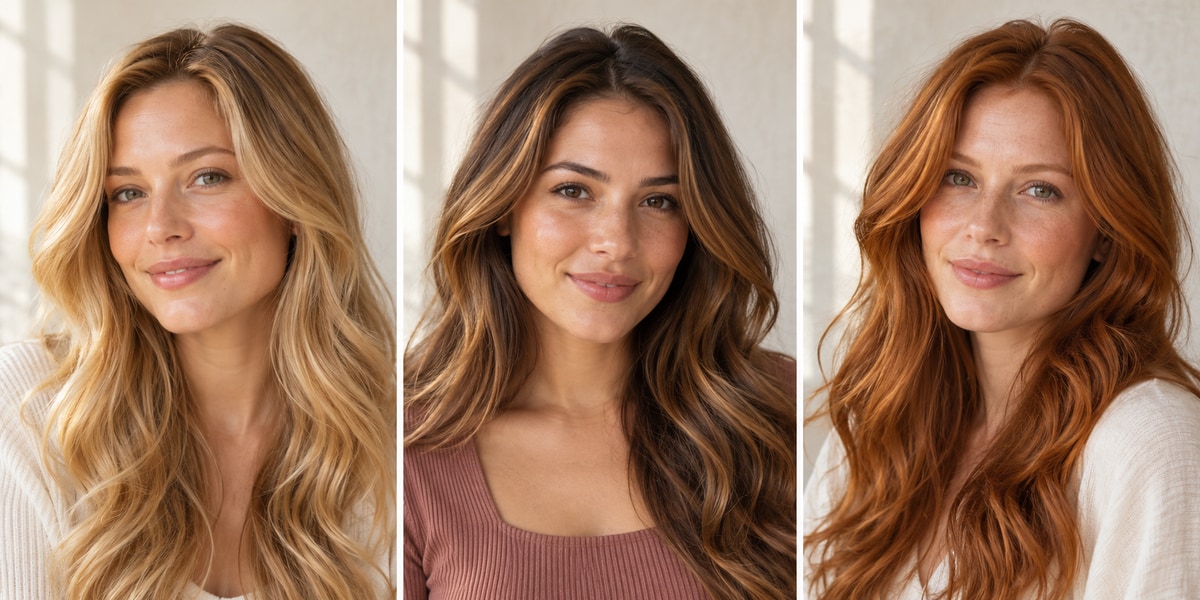
The portraits compare hair-color directions. They cannot establish the subjects’ skin undertones or predict an individual’s salon result. When collecting references, save one image for the color and another with a natural base close to yours; the starting point changes the work needed.
Warm Blondes: Honey, Butterscotch & Golden Wheat
Honey blonde is golden blonde with enough depth to keep it from reading as pale yellow. It can be a clear but soft frame for peach or golden skin. Compare a honey blonde with a neutral beige blonde at the same lightness: the useful question is whether the gold looks lively to you or whether a quieter finish gives your features more definition. If your brows and roots are deep, keeping a darker root can preserve contrast while letting the lengths look blonde.
Butterscotch sits closer to caramel, with a deeper golden-brown note. It is a useful route if you want warmth without an all-over light blonde. Fine butterscotch ribbons through a dark blonde or light brown base may make the transition at the roots less obvious than a solid pale color. Ask a colorist whether you want light pieces around the face, throughout the hair, or mainly at the ends; placement can change the look as much as the tone.
Golden wheat is a more muted blonde direction. It keeps warmth but looks less amber than honey. For a reader worried that “warm” means bright yellow, this can be a practical middle ground. The result still depends on the level underneath. Dark or previously colored hair may require lightening before a wheat-blonde reference is realistic. Wella’s underlying-pigment chart helps explain why exposed gold or orange may need deliberate toning, even when the goal remains warm.
Warm Brunettes: Caramel Mocha, Toasted Chestnut & Rich Cinnamon
Caramel mocha keeps a brown base while introducing gold or amber highlights. The contrast between deeper brown and lighter ribbons makes the hair look dimensional without turning the whole head blonde. For someone with medium to dark natural hair, it can be an easier visual transition than a solid light shade. Ask how light the ribbons need to be on your base and whether they will look golden or orange as they fade.
Toasted chestnut is a medium-to-deep brown with a warm red-gold reflection. It can be subtle indoors and more noticeable in daylight. Compare it with neutral chocolate and with a clearly copper-brown shade. Chestnut often works for a reader who wants warmth but does not want the brightness of caramel highlights. If you already have lightened ends, ask how a chestnut gloss or color might take differently there than at untouched roots.
Rich cinnamon is the warmest of these brunette directions: think brown depth with a clearer copper-red edge. On deeper skin with a golden or peach lean, that reflection can stand out without making the overall hair light. On lighter skin, it may create a bolder frame. Neither effect is inherently better. Bring references showing your preferred balance of brown and red, because “cinnamon” is not a standardized salon formula.
Warm Reds & Coppers: Soft Ginger, Strawberry Blonde & Spiced Copper
Strawberry blonde blends blonde lightness with a gentle copper-pink reflection. It suits someone seeking a quieter red direction rather than an intense orange result. Soft ginger reads more distinctly copper while staying relatively light. Compare them on hair with a similar starting depth to yours; a strawberry target on dark brown hair is a different process from a soft copper reflection on naturally light hair.
Spiced copper has more red-orange intensity and can make a strong statement beside warm skin. If you like the hue but worry about commitment, ask whether a less saturated copper, selective placement, or a gloss is appropriate for your current hair. Red and copper finishes can change visibly as they fade, so request both fresh-color and faded-color references. Your colorist can explain likely upkeep for the chosen service and your hair history.
What to Avoid: Ash Traps & Fighting Your Natural Base
An icy ash or silver shade can create deliberate contrast with warm skin. If that is the look you want, you can wear it. The potential “ash trap” is choosing an extremely gray, cool finish because a photo looks polished, then discovering that it makes your own complexion seem flat to you in everyday light. Instead, compare icy ash with soft beige or mushroom brown at the same depth. If you prefer some coolness, a neutral-cool finish or deeper root may feel more balanced than all-over silver.
Gold is not the same thing as brassiness. Intentional honey or copper is part of the chosen shade; brassiness is unwanted yellow, orange, or red that changes the intended result. Wella’s explanation of brassiness describes how fading can let underlying warm pigment show. This is especially relevant after lightening. Someone seeking honey blonde might welcome soft gold but dislike a strong orange band. Tell your colorist which warm reflection you want to keep and which one you want to avoid.
Avoid fighting your natural base without understanding the maintenance. A level-4 brown root and a level-9 honey blonde target may call for much more lightening and visible regrowth than a level-6 caramel direction. Previous permanent dye, highlighted lengths, and hair condition can alter the route again. A photograph is a color reference, not a recipe. Bring clear photos of your roots and ends, say what has been done to the hair, and ask what is realistic at the first appointment. The hair color ideas guide compares smaller and larger changes when you are still choosing a direction.
If you color at home, follow the product’s instructions and required allergy-alert test. If you have an unusual scalp reaction or a history of hair-color allergy, seek appropriate professional advice before applying color. Do not use a salon toner or pigment-depositing shampoo as a blanket fix for every warm shade: a strong cool product can also dull the gold you wanted.
Balancing Contrast with Eyes and Brows
Contrast is the light-to-dark difference among hair, brows, eyes, and skin. Warmth and contrast are separate choices. Someone with light warm skin and light brows may prefer soft honey or wheat blonde for a quiet frame, while caramel brown creates a sharper one. Someone with deeper warm skin may prefer chestnut or cinnamon for continuity, or honey ribbons for a brighter edge. Skin depth does not dictate how bold you are allowed to go.
Brown and hazel eyes may echo caramel and chestnut highlights; warm green eyes can look especially distinct next to copper. These are visual possibilities, not eye-color rules. Compare two references beside your own brows in daylight. A pale honey blonde with very dark brows can look striking and deliberate; a root shadow can make the transition softer if that is your preference. Do not change brow color merely to “match” a suggested hair palette.
For a useful salon conversation, bring one image for depth, one for tone, and one for placement. Say whether you want golden highlights, a copper cast, or only a warm reflection in sunlight. Show your natural roots and describe previous permanent color or lightening. Then ask how the chosen shade will look after several washes, what upkeep fits your routine, and whether the first visit can reach the target without pushing the hair beyond its condition. If you want to compare your overall direction first, the hair-color quiz is a starting point; use the consultation to discuss feasibility.
FAQ
Can warm skin wear ash hair?
Yes. Ash hair can be a purposeful cool contrast against warm skin. Compare an icy version with a softer beige-ash version at the same depth in daylight. If you like the cooler option, ask how much lightening and toning your current hair would need, and how the shade is expected to fade. A warm undertone is guidance for comparison, not a prohibition.
What brunette is best for warm undertones?
Start with caramel mocha if you want lighter ribbons, toasted chestnut if you want mostly brown depth, or cinnamon if you want visible copper-red reflection. Compare each against your natural root color and decide how much regrowth contrast you want. A shade name alone cannot predict the result on previously colored hair.
How do I keep warm blonde from turning orange?
First define the gold you want to keep. Orange is a different reflection from soft honey, and its cause depends on the starting level, the amount of lift, and later fading. Ask your colorist what unwanted warmth is likely on your hair and whether a salon gloss or product for that specific tone is appropriate. Follow the product directions: Wella’s color guidance distinguishes violet for unwanted yellow from blue for orange. Using a cool product indiscriminately can mute the golden finish you chose.