Best Hair Colors for Pale and Fair Skin: Complete Undertone Guide
The short answer: Fair skin can work with blonde, red, brown, or nearly black hair. Start by comparing your skin’s undertone with a shade’s warmth, then decide how much light-to-dark contrast you want around your face. For cool-leaning fair skin, try soft ash blonde, mushroom brown, cool mocha, or a berry-toned brunette. For warm-leaning fair skin, compare strawberry blonde, copper, honey bronde, and golden chestnut. If your undertone seems balanced, creamy beige, chocolate, and soft espresso are useful starting points. None is a rule: the best reference is the one you like in consistent daylight and can realistically maintain.
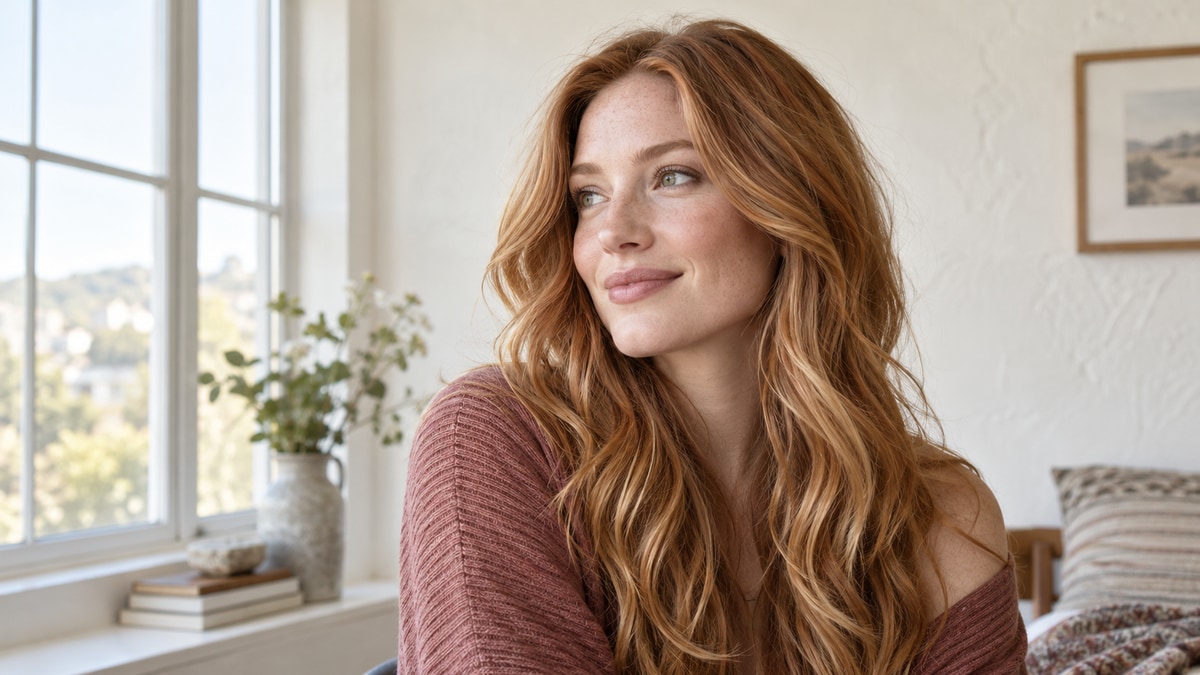
| What you notice in daylight | Shades to compare | Check before choosing |
|---|---|---|
| Cool-leaning, often pink or rosy | Soft ash or pearl blonde; mushroom brown; cool mocha; soft burgundy | Compare an ash shade with a neutral beige at the same depth so the result does not feel too gray to you. |
| Warm-leaning, often peach or golden | Strawberry blonde; light copper; honey bronde; golden chestnut | Compare gentle warmth with vivid copper; both can be warm but create different contrast. |
| Neutral or hard to classify | Creamy beige blonde; rich chocolate; soft espresso | Try warm and cool versions side by side instead of forcing a label. |
Fair or pale describes skin depth, not undertone. Porcelain can describe a very light complexion, but it does not tell you whether that complexion is cool, warm, or neutral. Eye color and freckles add to the visual picture; neither can assign you a shade on its own. Use the chart to build a shortlist, then compare actual swatches or references near your face. The hair color analysis guide explains that comparison in more detail.
The two core rules: undertone harmony and facial contrast
Undertone is the relatively persistent warm, cool, neutral, or olive impression of skin. Surface redness can come and go, so a pink cheek is not proof of a cool undertone. Stand by a window in indirect daylight, away from colored walls and warm bulbs. Look at your neck and jaw as well as your face. Hold a warm and a cool hair swatch of similar depth beside your face, one at a time. Notice which color makes your features easier to see to your eye. Repeat on another day if the first comparison is unclear. Vein color and jewelry preference can add observations, but neither is a reliable verdict by itself.
Facial contrast is the light-to-dark difference among your skin, eyes, brows, lashes, and hair. Light brows against fair skin often make a deep brunette feel like a dramatic new frame. Dark brows can help anchor very pale blonde or espresso. You do not need to change your eyebrows or wear makeup to “qualify” for any shade. Compare a solid version with a softer root or a few lighter pieces and choose the effect you prefer.
Hair color also has a starting point. Your natural root depth, permanent dye, lightening, and current condition influence what a colorist can do. A photograph shows a target, not the process or a dye formula. Wella’s color education explains how lightening exposes underlying warm pigment, which is why a cool finish can require more planning than a reference photo suggests.
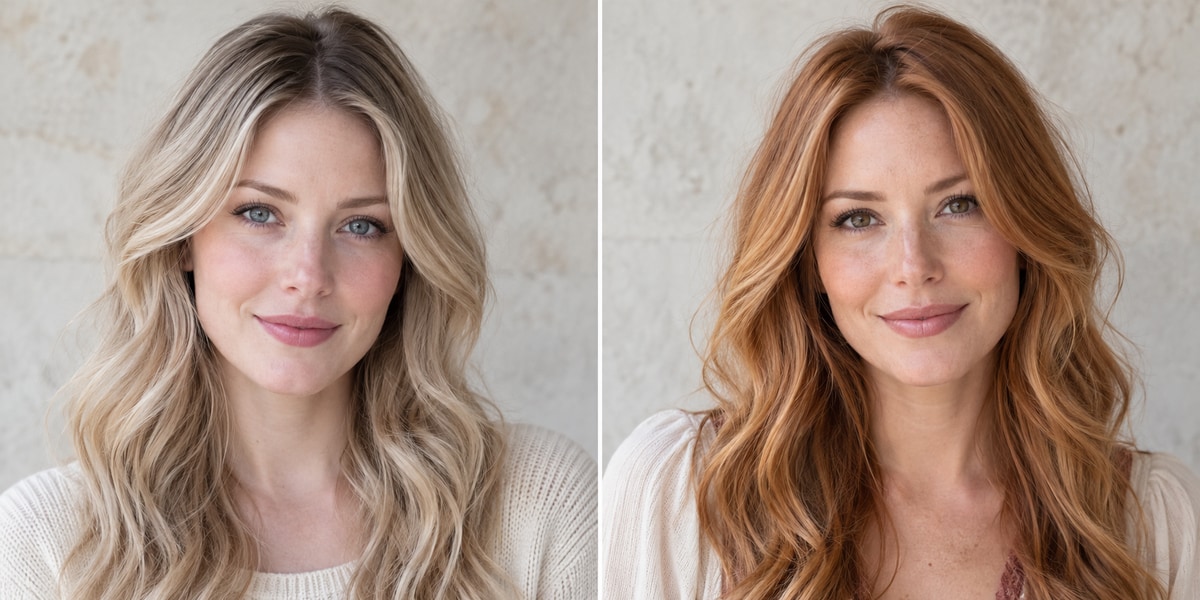
These portraits show hair-color directions, not a test of the subjects’ undertones. When testing yourself, keep light, camera exposure, and shade depth as similar as possible. The color temperature is the variable you want to notice.
Flattering hair colors for cool pale skin
Soft ash blonde and pearl platinum
Soft ash blonde takes visible gold out of a light base; pearl platinum adds a pale, slightly luminous finish. Either can look crisp beside fair skin that reads cool or rosy. If very icy hair makes your face look flatter to you, move toward cool beige rather than assuming you need a warmer complexion. The subtle difference between ash and beige is often more useful than a strict “cool skin equals platinum” rule.
Platinum is a process choice as much as a style choice. Hair that is naturally dark or previously colored may need significant lightening before it can be toned pale. Lightening exposes warmth, and a cool result can shift as it fades. Ask your colorist which tone is realistic on your current hair, whether a toner or home color-care product is appropriate, and how the color is expected to grow out. Purple products are sometimes used to counter unwanted yellow in light blonde hair; they are not mandatory for every blonde and should be used according to the product directions.
Mushroom brown and cool mocha
Mushroom brown blends muted brown and gray-beige reflections; cool mocha is a deeper brown without obvious copper. Both provide a brunette route that can feel softer than black. Against blue or gray eyes, the darker frame may make the eyes more noticeable, though eye color alone cannot predict the effect. Compare mushroom brown with a neutral chocolate at similar depth. One may preserve a quieter look while the other gives the face a warmer edge.
A cool brunette can also change between appointments as underlying warm pigment shows through. If your lengths are currently golden or copper, ask whether a gradual move to mocha is more realistic than a single solid color. A root close to your natural depth can make grow-out less abrupt. Bring a daylight image of both the roots and ends to the consultation.
Dark cherry and cool burgundy
Berry brunette, cool burgundy, and dark cherry add red-violet reflection without aiming for orange copper. They can be a deliberate, high-contrast choice beside fair skin, especially if you want color that is visible in daylight but reads dark indoors. Compare a muted berry-brown with a saturated burgundy before booking; the difference is in vividness as well as warmth.
Red tones can fade, and a very dark permanent color may be difficult to lift later. Ask how the chosen shade will look after washing, whether a gloss could test the direction first, and how often you are willing to refresh it. A consultation should account for your existing color history rather than a photo alone.
Flattering hair colors for warm fair skin
Strawberry blonde and ginger spice
Strawberry blonde sits between golden blonde and light copper. It can echo peach or golden warmth without the depth of a full red. Ginger is a clearer, more orange-leaning version. Freckles can be part of this look, but they do not determine undertone. Put a gentle strawberry reference next to a brighter ginger reference and ask which amount of warmth you actually want near your face.
For a light natural base, a soft strawberry reflection may be a smaller change than a deep copper. On darker or previously colored hair, a pale strawberry target can involve lightening first. Ask what the first appointment can achieve while keeping the hair condition in view. If you want an easier return to your current color, discuss a less permanent or more selective placement before an all-over change.
Warm copper and honey chestnut
Warm copper offers a clearer red-orange impression; honey chestnut keeps brown depth with golden-copper reflection. Both can frame a peach-leaning fair complexion. The decision is less “which color is allowed” than whether you want a vivid red statement or a brown shade that shows warmth when light hits it. Hold the two references at similar depth so brightness does not confuse the comparison.
Copper’s visual intensity depends on starting depth and how much pigment is added. It can also fade in a way that changes the balance between red and gold. Ask your colorist to describe the likely faded tone and maintenance routine. If you are unsure, a face-framing section or a softer chestnut can preview the direction with less overall contrast.
Golden bronde with face-framing ribbons
Bronde is a blend of brown and blonde. A deeper natural root with fine honey or beige-gold ribbons around the face lets you try lightness without making every strand pale. The darker root preserves depth beside brows and can soften the line between new growth and colored lengths. The placement, not just the shade name, is what creates that effect.
Ask to see references with a similar natural base to yours. A blonde ribbon on medium brown hair will not read the same as the identical tone on nearly black hair. If you want subtle dimension, specify how much of your darker base should remain visible. The hair color ideas guide compares small and larger changes, including upkeep.
Neutral porcelain skin and high contrast
Neutral fair skin can be a flexible starting point. Creamy beige blonde offers a light frame that is neither strongly gold nor intensely silver. Rich chocolate and soft espresso offer a deeper, more graphic frame, sometimes called a Snow White contrast. That is a styling description, not a skin category or a guaranteed flattering effect. Compare the shades beside your own brows, eyes, and natural roots.
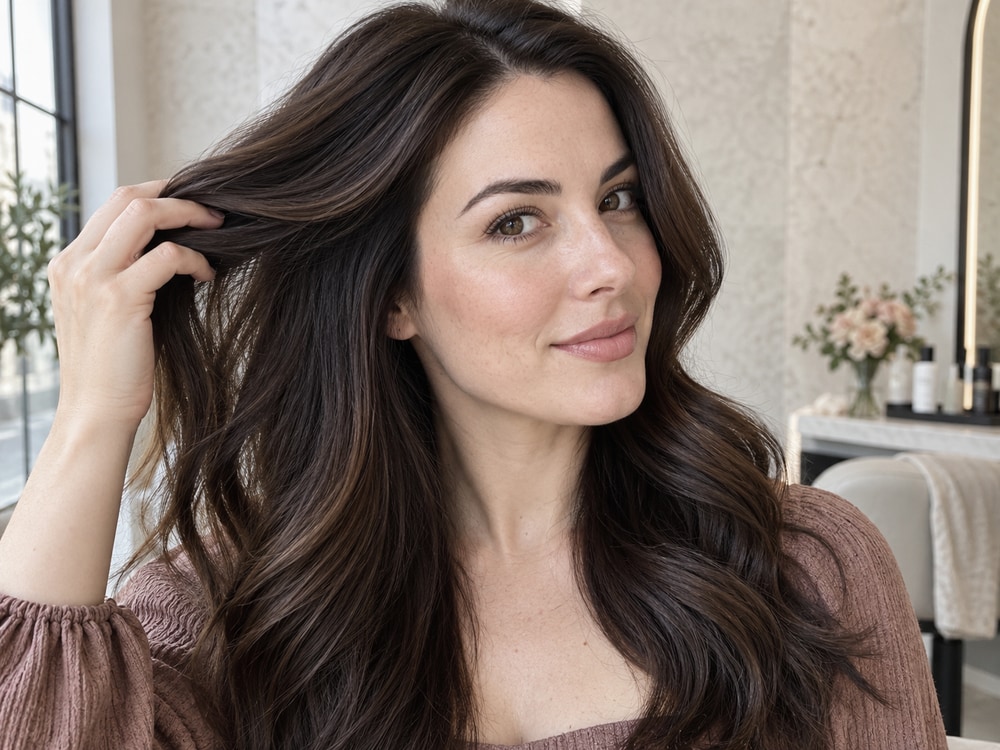
If you want dark hair but a flat jet black reference feels severe to you, compare soft espresso or dark chocolate. Hair-color levels describe depth, with lower numbers darker; a level 3 brown is generally lighter than level 1 black in Wella’s level chart. The exact look depends on the product and your starting hair, so use the level as consultation language rather than a do-it-yourself formula. A few subtle ribbons or a natural root transition can keep dark hair from appearing like one uniform block.
Neutral does not mean you must stay beige or brown. You may prefer vivid copper or blue-black. A neutral starting point simply makes side-by-side comparison more useful than an undertone label. If two references appeal, compare their depth and maintenance needs before choosing one.
Hair colors that may leave fair skin looking washed out
No color is universally unflattering. “Washed out” usually means that you see less definition among your hair, brows, eyes, and skin than you want. A shade might also reflect an unwanted cast in a particular light. Use the following as comparisons, not bans.
| If this reference feels off | What you may be noticing | Try beside it |
|---|---|---|
| Strong yellow blonde | The yellow reflection may stand apart from your preferred skin-to-hair balance. | Soft beige, pearl blonde, or honey blonde at the same depth. |
| Solid jet black | The dark frame may be more graphic than you intended. | Soft espresso, dark chocolate, or a slightly lighter face frame. |
| Flat silver or gray | Hair and skin may have too little depth difference for the look you want. | Silver with a deeper root, lowlights, or a softer beige-gray. |
Yellow blonde does not cause skin redness, and jet black does not age a face. The concern is visual balance in a specific person’s light and styling. If you love one of these colors, adjust depth, placement, or finish until it gives the effect you want. A gray or silver shade can be especially compelling with a deliberate dark root or strong brows. A dark shade can be equally intentional with fair skin and light eyes.
Matching hair color with blue, green, or hazel eyes
Eye color is a useful finishing detail after undertone, depth, and contrast. Blue eyes may appear more distinct beside ash blonde, soft copper, or espresso because each creates a different frame. Green eyes can sit beautifully beside auburn, strawberry blonde, or warm chocolate. Brown and hazel eyes can be paired with golden brunette, caramel balayage, honey blonde, or cooler mocha. These are visual options, not fixed pairings.
For blue eyes and pale skin, compare ash blonde and copper at a similar depth before deciding that cool or warm is automatically better. One echoes coolness; the other creates temperature contrast. A deep espresso reference will change value contrast too, so compare it as a separate choice. Green and hazel eyes often contain more than one visible color, which is why a photo or a single label may miss the effect you see in person.
For any eye color, look at brows and lashes as well. If you move many levels lighter, a root shadow can keep depth near them. If you go much darker, you may enjoy the strong frame or prefer a softer brown. Neither choice requires changing your brows. The goal is to pick the amount of contrast you want in ordinary daylight.
Bring a useful plan to your colorist
Save two or three reference photos taken in comparable light. Include one image of your current roots and lengths in daylight. Write down your natural depth if you know it, every major color service on your lengths, and how much visible regrowth you are comfortable with. Tell the colorist whether you prefer a solid shade, a soft root shadow, or ribbons around the face. A root shadow is a slightly deeper tone blended near the roots; dimension is visible variation between lighter and darker pieces.
Ask what can be achieved in one appointment, how the tone may fade, and which part of the look will require the most upkeep. A colorist can assess your actual base and condition; a shade photo cannot. If coloring at home or in a salon, follow the product’s safety directions. The FDA advises a patch test each time hair dye is used. A strand test for the hair’s color response answers a different question and does not replace an allergy test.
Frequently asked questions
Will dark hair make me look paler?
Dark hair can increase the difference between fair skin and hair, so the skin may appear lighter by comparison. That can be a deliberate high-contrast look. If you prefer a softer frame, compare dark chocolate or espresso with a solid black reference in the same light. A few lighter pieces near the face can change the effect without giving up brunette depth.
What is the best red hair color for pale skin?
For warm-leaning fair skin, start with strawberry blonde or copper. For cool-leaning fair skin, compare a berry brunette or cool mahogany with copper before choosing. Neutral fair skin may enjoy either. Your natural base, past color, and desired upkeep matter more than a single “best red” label.
How do I keep blonde from blending into a fair complexion?
Try a deeper root shadow, a beige and gold mix, or ash and cream pieces so the hair retains visible depth. Compare those with a solid pale blonde reference next to your face. A colorist can decide whether the placement and tone are feasible for your hair; ask what it will look like as roots grow and toner fades.
Your next step
Compare one cool, one warm, and one balanced reference at similar depth in indirect daylight. Keep the two you like, note your preferred contrast and upkeep, and bring them to a colorist. The hair color quiz page describes a questionnaire that is in development; it is not yet an interactive matching tool.