Soft Autumn Hair Colors: Toasted Caramel, Warm Muted Chestnut & Honey Bronde
The short answer: Soft Autumn is a styling palette built around muted color with gentle warmth and usually low to medium contrast. For hair, compare toasted caramel brunette, honey bronde, soft cinnamon, and warm muted chestnut. These shades keep a brown or beige foundation while adding a quiet golden or copper reflection. Icy platinum, solid blue-black, and vivid orange-red create a very different effect; they are choices, not forbidden colors. Start with the shade you like, then adjust its depth and brightness to suit your natural base and the upkeep you want.
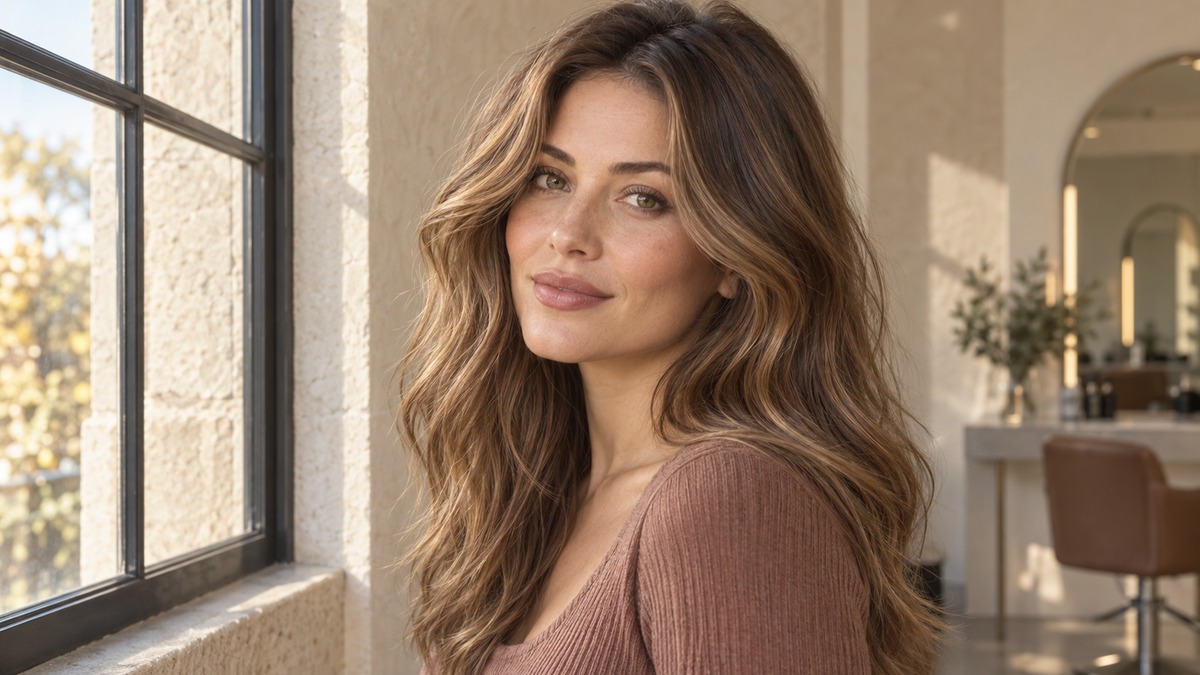
The best hair colors for Soft Autumn do not have to be all brown or all blonde. A medium brunette can carry narrow honey ribbons; a bronde can retain a deeper root; and a chestnut can show a restrained cinnamon reflection in daylight. The shared idea is to soften the intensity of the color, rather than push warmth to its brightest limit. Use the palette below as a set of references to compare, not a formula to request sight unseen.
On a narrow screen, scroll sideways to compare all four columns.
| Direction | Color to show a colorist | Visual effect | Ask about |
|---|---|---|---|
| Soft Autumn brunette | Toasted caramel on a medium brown base | Warm dimension with a visible brunette foundation | Ribbon size and how warm the ends may fade |
| Soft Autumn bronde | Honey-beige bronde with a close-depth root | Lightness without a stark blonde-and-brown divide | Lightening needed and the grow-out line |
| Copper-leaning option | Soft cinnamon over brown or dark blonde | A restrained copper reflection rather than vivid orange | Whether the red-copper tone suits your preferred upkeep |
| Deeper option | Warm muted chestnut with subtle walnut dimension | Brown richness without an inky, solid finish | How the depth compares with your natural root |
The Soft Autumn Profile: Summer Softness Meets Autumn Warmth
In The Concept Wardrobe’s Soft Autumn guide, muted is the primary quality and warm is the secondary quality. Its place between Soft Summer and True Autumn explains the shorthand “summer softness meets autumn warmth.” Soft Summer shares the subdued intensity but usually leans cooler; True Autumn shares warmth but can carry a stronger, clearer golden or copper impression. Soft Autumn aims for the quieter part of that warm range.
Here, muted means color with less apparent intensity. Compare a softly browned cinnamon with a saturated orange-red, or honey beige with a brilliant yellow-gold. Contrast means the light-to-dark difference among hair, brows, eyes, and skin. A single dark block of color against a much lighter face increases that contrast, while a softened root and close-depth ribbons tend to reduce it. These are visual relationships, not measurements of someone’s identity or rules about who may wear a shade.
Seasonal descriptions often illustrate Soft Autumn with golden-beige or neutral-warm skin, hazel, amber, olive-green, or soft brown eyes, and hair that shows gentle warmth. Those are examples, not a test. Skin depth and undertone are separate: a deeper complexion can be warm, cool, or neutral, and surface redness does not by itself establish an undertone. Eye color alone does not assign a season either. If a label feels uncertain, compare warm, neutral, and cool versions of one hair depth in indirect daylight. Our hair color analysis guide lays out that comparison step by step.
Top Flattering Hair Colors for Soft Autumn
Shade names are useful shorthand, but they are not standardized across salons or brands. One “caramel” may be orange-gold, another beige-brown. Compare references under similar lighting and describe what you see: the root depth, the amount of lightness, the width of the ribbons, and whether the overall impression is brown, beige, or copper. These details give a colorist something more practical than the label alone.
Toasted Caramel Brunette
Toasted caramel brunette is a medium brown that shows softened amber or honey warmth where light catches it. It keeps enough brown depth to avoid reading as a full copper or bright gold. For a Soft Autumn direction, picture narrow or blended caramel ribbons over a walnut-brown foundation, with the deepest part near the root. The warmth should be visible in daylight without making every strand look orange.
This is a useful choice if you already like brunette hair and want dimension rather than a dramatic depth change. Ask whether the caramel should sit mostly through the mid-lengths and ends, or whether you want a little brightness around the face. Fine ribbons may feel gentler than broad, high-contrast panels; placement can change the impression even if the color mixture is similar. Bring one reference for the overall brown depth and another for the size and placement of the warm pieces.
If your current hair is dark or has been colored before, do not assume a lighter caramel can be added by depositing a gloss. Wella’s professional color education guide explains that lightening exposes underlying warm pigment. That underlying warmth may help or complicate the target: an exposed orange reflection is different from a deliberately muted caramel finish. Ask your colorist what your starting base will reveal and how the tone is expected to look after it fades.
Soft Cinnamon & Spiced Honey Bronde
Soft cinnamon is the copper-leaning member of this group. Think brown with a fine, warm red-gold reflection, not a vivid orange sheet of color. If you want to explore red hair without losing the muted feel, compare a cinnamon brunette, a copper-brown, and a brighter ginger reference at the same depth. The side-by-side view makes the difference in saturation easier to see. A softly shaded root can also keep the face frame from becoming one solid bright color.
Honey bronde sits between blonde and brunette. A soft version mixes beige-honey lightness with a brown or dark-blonde root so the transition remains close and blended. “Spiced honey” can describe a little extra amber warmth, but the result should still look more beige-brown than yellow. If you want a lighter look, decide whether you prefer brightness near the face, through the ends, or in small ribbons throughout. Those are different placement requests, with different grow-out patterns.
Bronde may involve lightening, depending on your natural color and what is already on the lengths. A photograph cannot tell a colorist whether your hair will reach a particular honey shade in one visit. Ask what level of lightness is realistic for your current hair and which reflection is likely to remain as the finish fades. Our hair color levels guide explains depth separately from warm or cool tone, so you can describe the target more precisely.
Warm Muted Chestnut
Warm muted chestnut is a richer brown with a restrained red-brown or golden-brown reflection. It is a good option when honey bronde feels too light but an opaque dark brown feels too severe. The word muted matters: a chestnut that looks almost burgundy or intensely red under daylight will create a different, more saturated statement. Ask to see a chestnut with visible brown first, then compare one slightly warmer and one slightly more neutral example.
For a natural-looking result, depth is often the deciding variable. A chestnut close to your natural root may allow a softer grow-out than a much darker or lighter target. If your ends are already pale, a colorist may need to plan how they will take the deeper tone and how the color will fade. If your lengths contain old dark dye, the path to a lighter chestnut may be more involved than the swatch suggests. A consultation should account for roots, lengths, and ends separately.
What to Avoid: The Perils of Icy Platinum and Harsh Jet Black
Within the traditional Soft Autumn palette, icy platinum and blue-black sit far from gentle warmth and moderate contrast. Platinum is very light and strongly cool; blue-black can look both deep and sharply cool. Next to a muted warm reference, either may make the color feel more separate from the face. That is a styling observation, not a claim that a shade makes anyone look objectively unhealthy or that you must avoid it. If either is your favorite, wear it intentionally.
For a softer comparison, put platinum beside honey-beige bronde at a similar amount of face-framing lightness. Put jet black beside muted chestnut or deep walnut brown, keeping the styling and lighting comparable. The question is whether you prefer a pronounced edge or a gentler transition. The same logic applies to intense orange-red: compare it with softly browned cinnamon at equal depth before judging the temperature alone. Brightness and warmth are different variables.
Ash is more nuanced than a simple “never.” A neutral-brown base with a tiny cool adjustment may help tone down an orange cast and still read warm-muted overall. A full, smoky gray finish moves toward the Soft Summer hair-color direction. If you find yourself between the two seasons, compare a muted beige-brown, a soft ash brown, and a middle neutral brown in the same light. Your favorite may land between the labels.
Plan the Shade Around Your Starting Hair
Start with a daylight photo of your natural roots and another showing the current mid-lengths and ends. Tell the colorist about permanent dye, previous highlights, toners, gray hair, and any bands of uneven color. These details affect whether the goal is a small tonal shift, selective lightening, a deeper deposit, or a staged correction. The words “Soft Autumn” and “toasted caramel” describe a visual goal; neither tells the colorist what is chemically possible on your hair today.
Bring two or three target references that answer separate questions. One should show the overall depth; another should show how warm you want the finish; a third can show highlight size or root softness. Say what you do not want in visual terms, such as “no bright orange ends” or “no solid black root.” Then ask the colorist to explain the first appointment, the likely fade, and the maintenance that would keep the result close to your reference.
If you want less frequent salon upkeep, consider keeping your natural root visible and choosing a shade close to your existing depth. If you want a larger change, ask how obvious the grow-out line will be and whether the ends will need a different treatment from the roots. Maintenance depends on service, starting hair, washing, and the finish you choose; there is no universal refresh interval. Our hair color maintenance guide can help you compare the practical tradeoffs before you book.
Do not choose a toner or tinted shampoo because a seasonal chart calls a shade “warm.” A toner adjusts the appearance of an existing base; it does not replace an assessment of depth or prior color. Our hair toner guide explains what toning can and cannot change. For any dye used at home, follow the product directions and warnings; the FDA advises a patch test before each hair-dye use. A salon can advise on the products and process appropriate for your hair.
FAQ
Is toasted caramel the best hair color for every Soft Autumn?
No. It is a useful starting reference because it combines brown depth with restrained warmth. A honey bronde may suit someone who prefers a lighter frame; a muted chestnut may feel better to someone who wants deeper hair. Your natural color, previous services, upkeep preferences, and taste decide which option is useful. Compare them at a similar depth before choosing.
Can Soft Autumn have dark hair or deeper skin?
Yes. Seasonal examples often show lighter golden-beige skin and medium brown hair, but those pictures are not eligibility criteria. Skin depth, undertone, and contrast are separate observations. Someone with deeper skin or darker hair can still prefer muted, gently warm shade relationships. Do not assign a season from one feature or one photograph; use the palette as a styling experiment.
What if I am between Soft Autumn and Soft Summer?
Both palettes are subdued. The usual comparison is gentle warmth versus gentle coolness. Put a toasted caramel brown beside a mushroom brown at the same depth, then add a neutral beige-brown between them. Compare all three in indirect daylight and keep the one you like most. The warm-undertone hair-color guide offers more ways to describe the warmer option without relying on a season label.
How do I ask for honey bronde without bright yellow highlights?
Show a reference with a brown or dark-blonde root, narrow beige-honey ribbons, and the amount of face-framing lightness you want. Say that you want the overall effect to remain soft rather than vivid gold. Ask what needs lightening on your current hair, how the honey tone may fade, and how the root will grow out. A close-up of the ends helps a colorist see whether your existing color will affect the result.
Your Next Step
Save one toasted caramel, one honey bronde, and one muted chestnut reference in similar daylight. Rank them by depth and warmth, then note which root and grow-out you would be happy to live with. Bring those notes and your color history to a colorist. The hair color quiz can organize these preferences into three directions before your consultation.